
Your Favorite Orange County Bookkeepers Advice for Building a Continuity Plan for Your Business
Patty Hansen
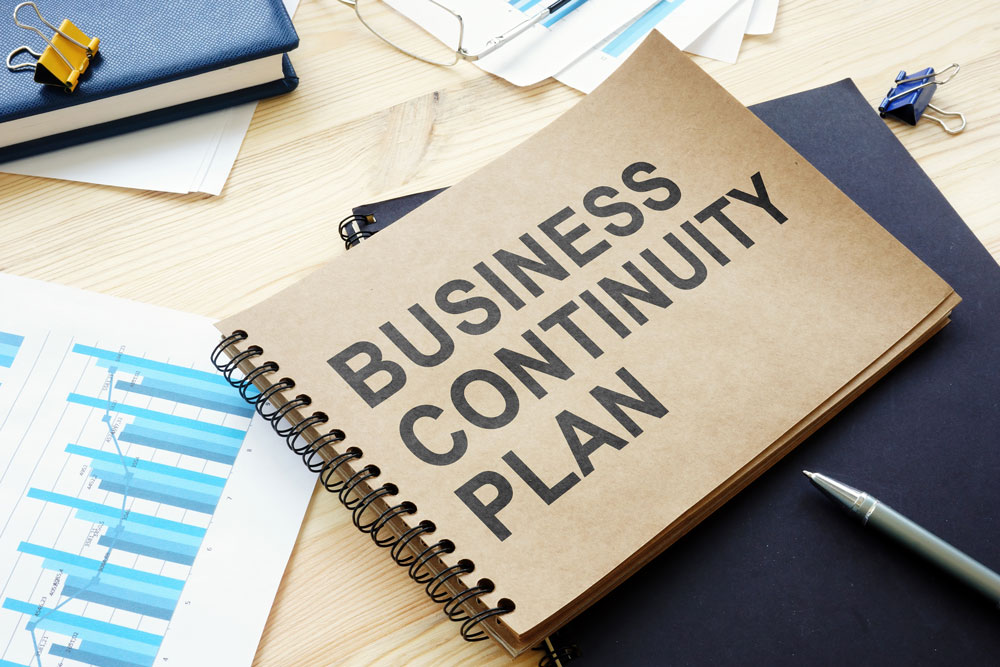
At the beginning of 2020, you might have thought that developing a business continuity plan was not a top priority. Or maybe you thought it was only for large businesses. Fast forward to today, and a business continuity plan has become an essential staple in business planning.
There are more business risks than ever before to consider that can affect business continuity. Businesses are being shuttered, reopened and shuttered again from the pandemic, fires, hurricanes and damage from riots, just to mention a few of the more common issues in this unusual year.
The biggest benefit of a business continuity plan is the process of developing it. It helps you think through the steps you should take if a business interruption occurs. If you have a disaster recovery plan – or even a few steps jotted down of what you’d do – then you have already started a portion of the process.
As your favorite Orange County Bookkeepers we understand the benefits of a continuity plan and the process steps you need to take to safeguard your business.
Here are some of the major pieces of a business continuity plan to consider developing for your business.
Roles and Responsibilities
In this section, all of the business stakeholders should be identified and listed. On a high level, questions like these should be answered:
- What is each person’s role within the company, and how would that change if the business is interrupted?
- What new skill sets should be acquired in the case of a disruption?
Potential Impacts to Your Business
This part of the continuity plan lists major scenarios where something could go wrong with your business. It should include things like weather events, fire, riots, theft, leadership interruptions, cash flow shortages, and the long-term impact of the pandemic. For each event, an analysis should be made as to how it will affect the business and what possible outcomes could occur. This part is also called a Business Impact Analysis.
Recovery Strategies
Once you’ve identified impacts, the next set of questions covers how to most effectively recover from them. These remedies might include seeking additional financing, selecting backup locations, checking IT department functionality, creating alternate supply chain and distribution sources, and identifying many more actions along these lines.
As we’ve seen this year, this is just as important to think through for small businesses as it is large businesses.
When owners and employees are not in the middle of an actual disaster, they can better map out a recovery strategy that’s optimal and cost-effective for the business.
Implementation
A good plan should be implemented through distribution, testing, and training. All stakeholders should read and understand the contents of the business continuity plan. The plan should be tested in drills and exercises when possible. Employees should be trained so they know their part and feel comfortable carrying it out while under high stress.
The long-term viability of your business is important, and it can be strengthened when you put a business continuity plan in place. If your favorite Orange County Bookkeepers can help, feel free to reach out any time.
The biggest benefit of a business continuity plan is the process of developing it. Schedule a meeting with us here.
Building a Continuity Plan for Your Business — Sign up for our newsletter here.
Related Posts

The Hidden Cost of Making Decisions Without Good Data
Every business owner makes decisions every day. Should you hire another employee? Can you afford to increase marketing? Is it time to raise prices? Should you expand, invest, or wait? The quality of those decisions depends on the quality of the information behind them. Unfortunately, when bookkeeping falls behind or financial reports are inaccurate, business…

More Than Reports: Turning Numbers Into Clarity and Confidence
For many small business owners, receiving financial reports can feel overwhelming. Profit and loss statements, balance sheets, and cash flow reports are all essential tools, but without context, they can raise more questions than answers. At Team One Accounting, we believe our role goes beyond simply delivering reports. We’re here to help you understand what…

Beyond Automation: The Human Strengths AI Can’t Replace in Accounting
Artificial intelligence has changed the way bookkeeping gets done. Tasks that once required hours of manual work, categorizing transactions, generating reports, and reconciling accounts, can now happen almost instantly. For small business owners, this shift is undeniably valuable. Faster data, fewer errors, and more efficient systems mean less time spent on administrative work. But as…