
Profitability vs. Cash Flow: What’s the Difference?

Charlotte Van Dyck
One of the most confusing and frustrating experiences for business owners is looking at a profitable Profit & Loss statement while simultaneously worrying about having enough money in the bank to cover next week’s bills.
It seems impossible at first. If the business is making money, shouldn’t there be plenty of cash available? Not necessarily.
In fact, it’s surprisingly common for growing businesses to be profitable on paper while struggling with cash flow. Understanding the difference between profit and cash is one of the most important financial lessons a business owner can learn.
Profit and Cash Are Not the Same Thing
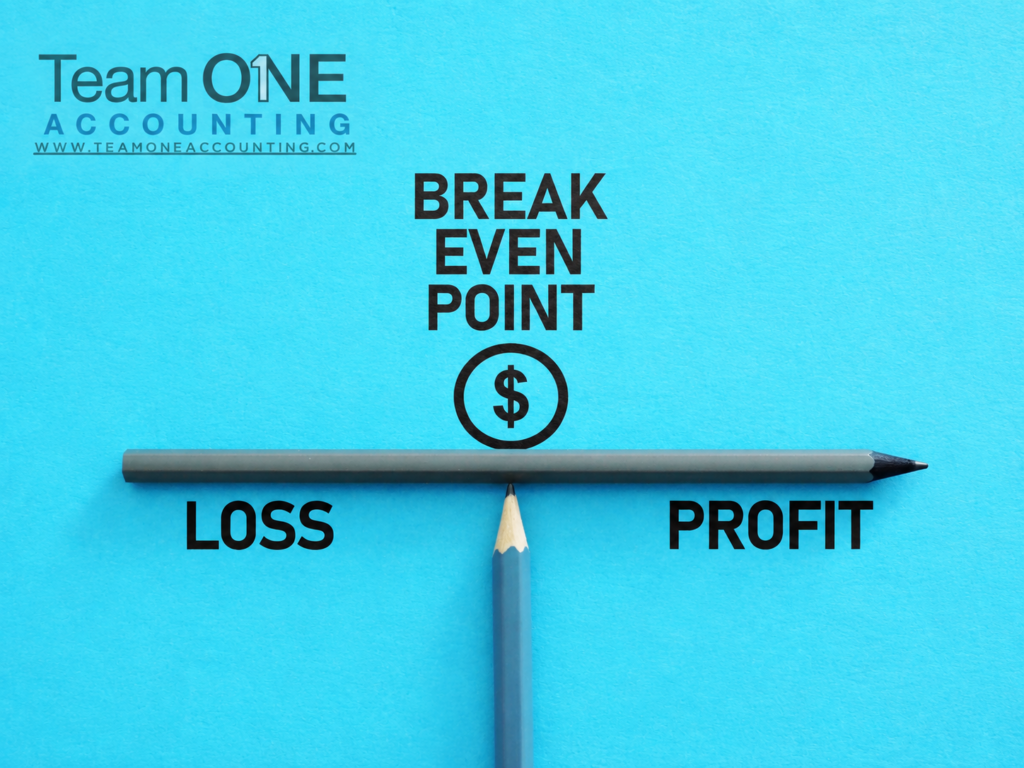
Profit measures whether your revenue exceeds your expenses over a period of time. Cash measures how much money is actually available to spend. While the two are related, they don’t always move together.
Growth Can Actually Create Cash Flow Problems
Many business owners assume growth automatically solves financial challenges. Ironically, rapid growth is often what creates cash flow pressure, as sales increase, businesses frequently spend money before collecting it.
Examples of Growth-Related Cash Flow Strain
They may need to:
- Purchase additional inventory
- Hire new employees
- Increase marketing efforts
- Invest in equipment
- Pay vendors sooner than customers pay them
The result is that cash leaves the business faster than it comes in. Without careful planning, a growing company can find itself profitable but strapped for cash.
The Warning Signs
A business may be profitable but experiencing cash flow issues if:
Common Cash Flow Warning Signs
- Payroll feels stressful each month
- Vendors are paid later than intended
- Credit card balances continue growing
- The owner frequently contributes personal funds
- Outstanding customer invoices keep increasing
These situations aren’t always signs of a failing business. More often, they’re signs of a cash flow management problem.
Why Accurate Bookkeeping Matters
You can’t manage cash flow if you don’t understand it. Accurate bookkeeping helps business owners monitor:
What Accurate Bookkeeping Helps You Track
- Accounts receivable (who owes you money)
- Accounts payable (what you owe others)
- Cash flow trends
- Upcoming obligations
- Profitability by product, service, or customer
When your books are current and accurate, you can identify potential cash shortages before they become emergencies.
Cash Flow Deserves as Much Attention as Profit
Profit is important because it shows whether your business model works. Cash is important because it keeps the lights on. Successful business owners pay attention to both.
At Team One Accounting, we help clients understand not only whether they’re profitable, but also whether their cash flow can support their goals. Because growth is much easier to manage when you know exactly where your money is and where it’s going.
Want a Clearer Picture of Your Business’s Financial Health?
Team One Accounting can help you understand the relationship between profit, cash flow, and growth so you can make confident decisions and avoid unnecessary financial stress.
Contact us today to learn how better bookkeeping can help you build a stronger, healthier business.
Still have questions?
Team One Accounting is your local Orange County, CA & St John’s FL bookkeeping service, trusted by business owners who want clear, reliable, and friendly financial support. If you’re ready to take bookkeeping off your plate and feel confident in your numbers, contact us today for a free consultation.
Your Financial Goals Are Within Reach!
With expert support from Team One Accounting, you can save time, reduce stress, and focus on what you do best—growing your business. Schedule a consultation today and see how we can make a difference!
Related Posts
Is Your Profit Disappearing? Finding the Financial “Vampires” Draining Your Business
Your sales are strong. Your team is busy. Revenue looks healthy. So why does it feel like there should be more money left over? Sometimes the biggest threats to profitability aren’t dramatic expenses that immediately get your attention. They’re the smaller costs and inefficiencies quietly lurking in the background, taking a little bite out of…

Small Financial Habits That Make a Big Difference by Year-End
With fall approaching, now is a good time to make sure your books are on the right track for next year’s tax filing. When January arrives, many business owners suddenly find themselves scrambling to get their finances in order. Receipts need to be tracked down, accounts need to be reconciled, outstanding invoices need attention, and…

More Than Bookkeeping: The Peace of Mind That Comes From Outsourcing Your Books
Running a small business comes with an endless list of responsibilities. There are customers to serve, employees to manage, decisions to make, problems to solve, and plans to put into action. And somewhere in the middle of all of that are the books. Did I categorize those transactions correctly? Have all the accounts been reconciled?…