
Your Favorite Orange County Bookkeepers and The Psychology of Money

Patty Hansen
The topic of money affects our emotions, beliefs, and behaviors. Whether we have enough, need more, or are indifferent can impact our overall financial status. The most important thing to know about this topic is to be self-aware of your own feelings and actions and how they impact your wealth.
How do you feel about money in general? Does your brain repeat common beliefs like “Money doesn’t buy happiness.” Does money scare you or excite you? Do you feel like you don’t deserve to have money? Do you feel entitled to having money? Is your ego focused on how much money you make?
There is no right or wrong answer to any of these questions. What your inner thoughts are about money can subconsciously influence your ability to earn more or keep what you have.
What are your current behaviors towards money? Are you a spender or a saver? Your behavior may be driven by your beliefs and emotions. If you’re not happy with your behavior toward money, there’s an opportunity for you to change the relationship you have with money.
Henrik Edberg, author of The Positivity Blog, has a number of useful suggestions for how to stay positive, 3 of which your favorite Orange County bookkeepers would like to share here:
- Find the optimistic viewpoint in a negative situation.
Henrik asks himself questions such as, “What is one thing that is positive or good about this situation?” There is always some way to come up with a good answer to this question, even if the answer is: I’m going to be so happy when this day is over.
- Cultivate and live in a positive environment.
This is one of my primary rules in life. Your environment always wins. If you hang out with unpleasant and sullen people, you will become unpleasant and sullen. If you work for a Machiavellian company, you will eventually operate in a Machiavellian manner. Try surrounding yourself with positive people so that a more constructive environment will influence you.
- Go slowly.
Most anger is impatience in disguise. The faster you act, the more likely you are to lose your temper or do something rash. It takes patience and willpower to remain positive, calm and coherent in the face of difficult challenges.
Once you can bring your beliefs and behaviors into your awareness, ask yourself if they are serving you or hindering you. You may want to find some sort of happy medium that fits your needs. Everyone has different circumstances, but if you can change your beliefs and your behavior towards money, then you will see a change in your ability to meet your financial goals.
The ultimate goal is to be content with the relationship you have with money. Everyone is different, and that is OK. You have to be you! But, if you’re not happy with the relationship you have with money, there is opportunity for you to do some work in that area. Please feel free to reach out to your favorite Orange County Bookkeepers for any help or advice.
Related Posts

Monsters Under the Balance Sheet: Why This Often-Ignored Report Deserves Your Attention
When business owners review their financial reports, the Profit & Loss Statement usually gets most of the attention. It makes sense. You want to know how much revenue came in, what you spent, and whether the business made a profit. But lurking just beneath the surface is another report that tells an equally important story:…
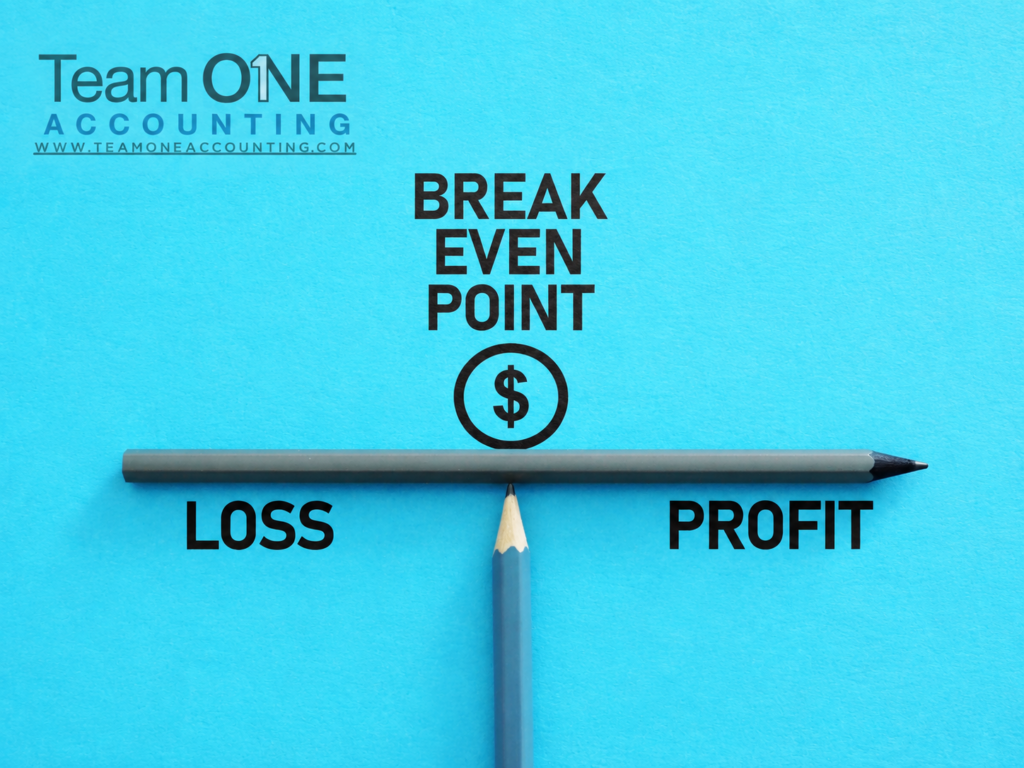
Is Your Profit Disappearing? Finding the Financial “Vampires” Draining Your Business
Your sales are strong. Your team is busy. Revenue looks healthy. So why does it feel like there should be more money left over? Sometimes the biggest threats to profitability aren’t dramatic expenses that immediately get your attention. They’re the smaller costs and inefficiencies quietly lurking in the background, taking a little bite out of…

Small Financial Habits That Make a Big Difference by Year-End
With fall approaching, now is a good time to make sure your books are on the right track for next year’s tax filing. When January arrives, many business owners suddenly find themselves scrambling to get their finances in order. Receipts need to be tracked down, accounts need to be reconciled, outstanding invoices need attention, and…