
Understanding Cost of Goods Sold From Your Favorite Orange County Bookkeeper
Patty Hansen
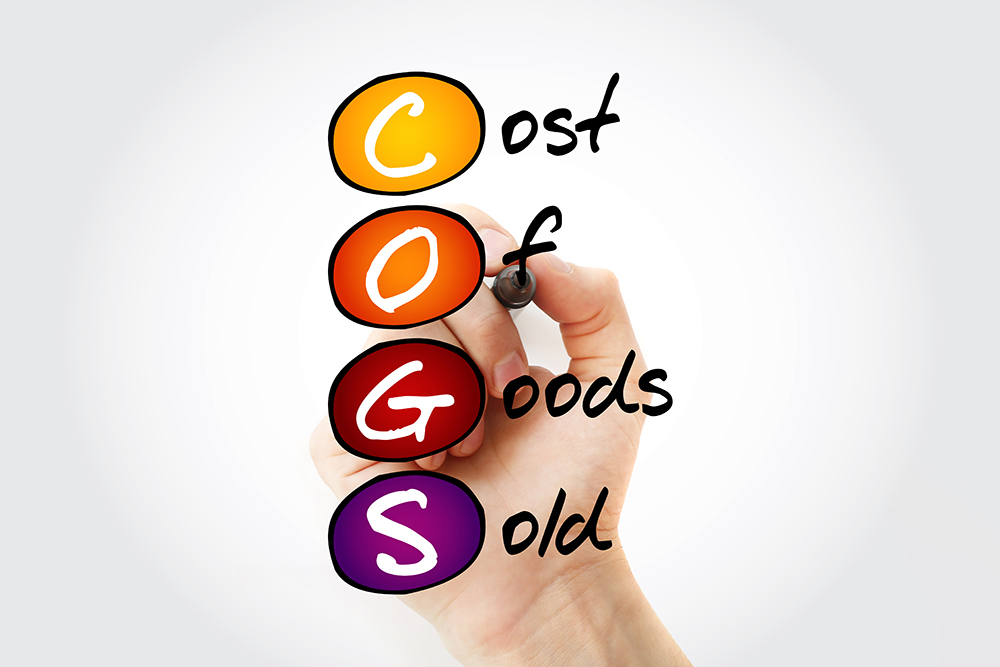
The account on your income statement called Cost of Goods Sold can be confusing to non-accountants. In this article, your favorite Orange County Bookkeeper will attempt to de-mystify it and explain how it works.
Cost of Goods Sold is an account in your Chart of Accounts that is a very special type of expense. It is the amount of direct costs of items that were sold by the company. It is related to inventory, and it helps to see the flow of transactions to understand the big picture.
When you purchase an inventory item for sale, it’s considered an asset (not an expense yet) in your company. When you sell an inventory item, the asset is reduced and the Cost of Goods Sold account is increased, moving the item from an asset to an expense. It’s no longer an asset once it’s sold, and the cost of the item sold reduces your profit and is expensed into the Cost of Goods Sold account.
Some accountants will abbreviate the Cost of Goods Sold account to COGS, and you might hear them call it that.
In the case of wholesale and retail businesses, the cost of goods sold is the amount that was paid for the inventory items to be sold. In the case of a manufacturer, the costs can include the cost of raw materials, labor to produce the item, and sometimes additional allocations of other related costs. Construction businesses may have a Cost of Construction account or Contract Costs instead of COGS. Service businesses will typically not have a balance in the Cost of Goods Sold account. If they do have direct costs, the costs are often coded to a Supplies account under expenses.
At any point in time, the cost of items you purchase are in two different accounts:
- The unsold items are reflected in the asset account, Inventory, on your Balance Sheet report.
- The sold items are reflected in the Cost of Goods Sold account, on your Income Statement report.
It’s important that the Cost of Goods Sold balance is accurate because there are many good things you can learn from it when you compare it with the inventory. You can learn how fast your inventory is selling, and you can determine your gross profit margin.
If your inventory purchases have not been coded correctly, you can take inventory and arrive at the correct cost of unsold items. If your physical inventory does not match your books, your Favorite Orange County Bookkeeping Service can make a correcting entry between Cost of Goods Sold and the Inventory account so that both of them are accurate.
If you have further questions about the Cost of Goods Sold account, feel free to reach out to your Orange County bookkeeper: Team One Accounting.
Related Posts
Small Financial Habits That Make a Big Difference by Year-End
With fall approaching, now is a good time to make sure your books are on the right track for next year’s tax filing. When January arrives, many business owners suddenly find themselves scrambling to get their finances in order. Receipts need to be tracked down, accounts need to be reconciled, outstanding invoices need attention, and…

More Than Bookkeeping: The Peace of Mind That Comes From Outsourcing Your Books
Running a small business comes with an endless list of responsibilities. There are customers to serve, employees to manage, decisions to make, problems to solve, and plans to put into action. And somewhere in the middle of all of that are the books. Did I categorize those transactions correctly? Have all the accounts been reconciled?…

The 5 Questions We Help Business Owners Answer Every Day
Most business owners don’t wake up wondering about reconciliations, journal entries, or their chart of accounts. Instead, they’re asking questions like: “Can I afford to hire someone?” “Why don’t I have any cash?” “Which products actually make me money?” Those are the questions that matter because they impact the decisions you make every day. At…