
Avoid Accounts Payable Errors: What to Watch For from Your Favorite OC Bookkeeper
Patty Hansen
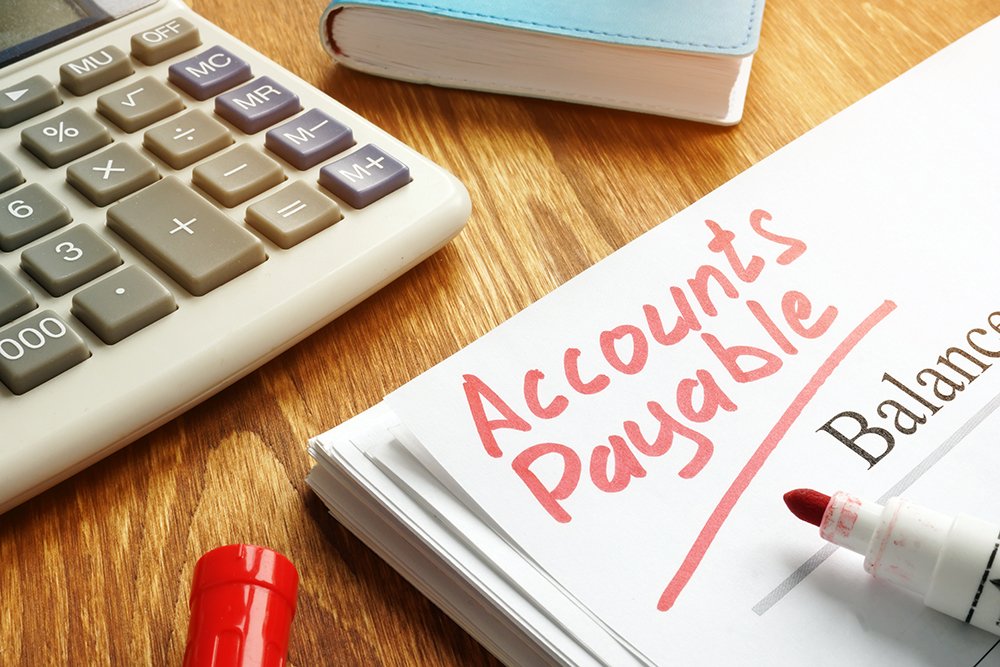
When you pay a bill, are you 100% comfortable that the bill payment is correct and justified? Is there a chance that the bill is fake or fraudulent? What about duplicates? With so many fake bills being mailed to businesses these days, it is wise to think about putting rules into place. This will reduce the risk of writing a check out of your hard-earned profits that shouldn’t be written.
Accounts Payable Controls
In the accounting profession, the term “internal controls” refers to processes, procedures, and automations put into place to reduce errors. In accounts payable, there are a specific subset of rules and controls you can put into place to reduce risk in this area. Below are some useful tips to help create checks and balances for your accounts payable from Your Favorite Orange County Bookkeepers.
- Approvals: All bills should be approved by the appropriate level of staff. Sometimes a bill gets approved that is fake or shouldn’t be approved, especially in areas where the approver doesn’t have technical knowledge of what they are buying. Be sure to read the fine print on the bill and make sure you know what you are paying for.
- Segregation of duties: The person who pays the bill should be different from the person who submitted the bill. Both of those people should be different from the one who signs the check. This reduces employee fraud.
- Receipt confirmation: A packing slip or other confirmation of receipt of the goods or services should be matched to the invoice, line item by line item.
- Math check: A prudent step is to check the accuracy of the math on an invoice.
- Duplicate payments: If a vendor emails their bill as well as mails a hard copy, controls should be put in place (usually automated) to avoid duplicate payments on the same bill.
- Reconciliation: If there are a significant number of transactions between you and a vendor, an accounts payable reconciliation should be performed each month.
- Missing check numbers: Most systems provide a missing check numbers report that you can use to make sure all checks are accounted for.
- Bank reconciliation: A bank reconciliation is a sure way to see exactly what checks cleared your bank account.
- Coding: Coding each transaction to the correct expense, inventory, asset, or cost of goods sold account is an essential part of the process.
- Income statement review: Each month, a review of the balances in your expense accounts as well as a disbursements ledger review for accuracy can provide added peace of mind.
- Purchase order: Requiring purchase orders is another control you can add to your process. Purchase orders should be matched to packing slips and invoices before payment or approvals are made.
- In-depth knowledge of your business’s numbers: The more you get to know the numbers in your business, the greater chance you’ll have of accurate accounts payable.
If you would like to discuss your accounts payable function and how it can be improved or want help with pesky reconciles, we’re happy for you to reach out to your favorite Orange County Bookkeepers here at Team One Accounting.
Related Posts
Small Financial Habits That Make a Big Difference by Year-End
With fall approaching, now is a good time to make sure your books are on the right track for next year’s tax filing. When January arrives, many business owners suddenly find themselves scrambling to get their finances in order. Receipts need to be tracked down, accounts need to be reconciled, outstanding invoices need attention, and…

More Than Bookkeeping: The Peace of Mind That Comes From Outsourcing Your Books
Running a small business comes with an endless list of responsibilities. There are customers to serve, employees to manage, decisions to make, problems to solve, and plans to put into action. And somewhere in the middle of all of that are the books. Did I categorize those transactions correctly? Have all the accounts been reconciled?…

The 5 Questions We Help Business Owners Answer Every Day
Most business owners don’t wake up wondering about reconciliations, journal entries, or their chart of accounts. Instead, they’re asking questions like: “Can I afford to hire someone?” “Why don’t I have any cash?” “Which products actually make me money?” Those are the questions that matter because they impact the decisions you make every day. At…